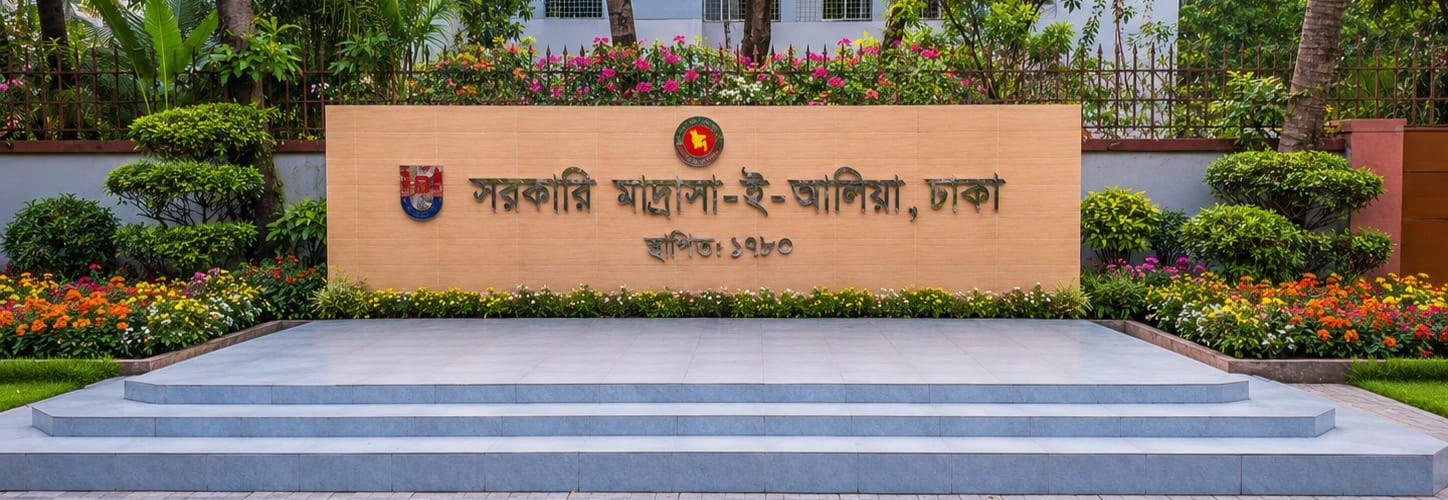
Govt. Madrasah-E-Alia
Knowledge for enlightenment.
A Legacy Built Over Time
Tracing our roots and the foundation of excellence.
Govt. Madrasah-E-Alia, Dhaka stands as one of the most historic and influential Islamic educational institutions in South Asia. Originating in 1780 and later relocated to Dhaka after partition, it represents a pioneering model that harmonizes traditional Islamic scholarship with modern academic disciplines. Over nearly two and a half centuries, the institution evolved from a small seminary into a nationally significant center of learning, supported by structured governance, visionary leadership, and a curriculum balancing Quran, Hadith, Fiqh, languages, and contemporary sciences. Its relocation to Bakshibazar in 1961 and the establishment of modern facilities strengthened its academic standing. Today, the madrasa continues to uphold its foundational mission preserving Islamic intellectual heritage while preparing students for modern educational and professional environments.
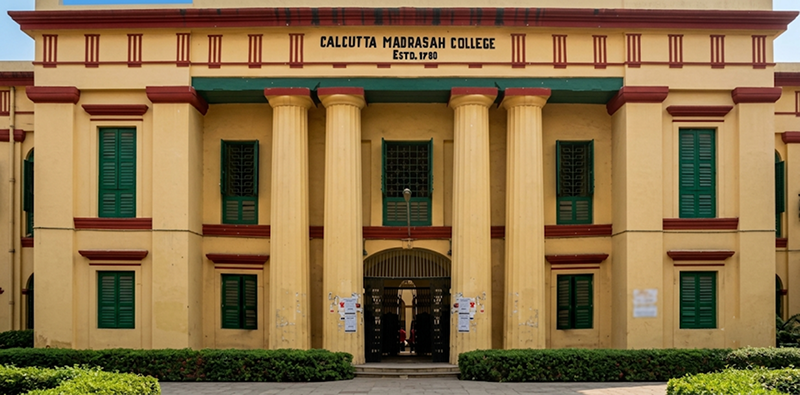
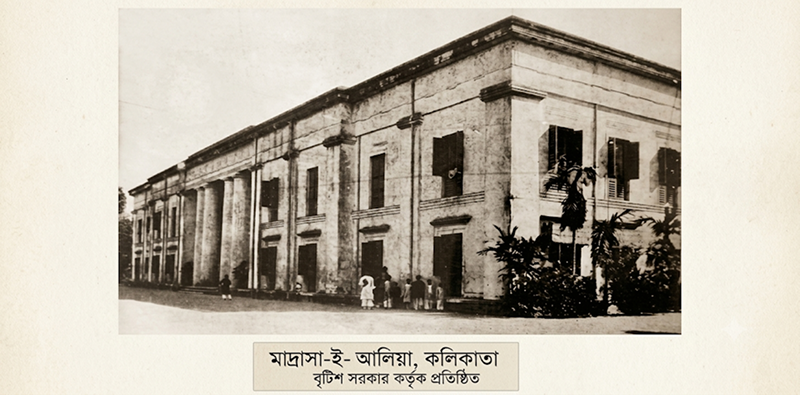
The institution began in October 1780 when Lord Warren Hastings founded the Calcutta Alia Madrasa in response to petitions from Muslim leaders seeking integrated religious and modern education. Initially starting with only forty students in a rented building, it soon gained prestige under its first head preceptor, the distinguished scholar Molla Majduddin. Throughout the nineteenth century, the madrasa expanded academically, adding English instruction in 1829, introducing examinations in 1821, and establishing new departments including Anglo-Persian studies, Hadith, Fiqh, and higher-level courses such as F.A. and Kamil programs. Leadership milestones included the appointment of the first Muslim principal, Khwaja Kamaloddin Ahmed, in 1927. These reforms strengthened governance, broadened curricula, and positioned the institution as a major center of Islamic learning.
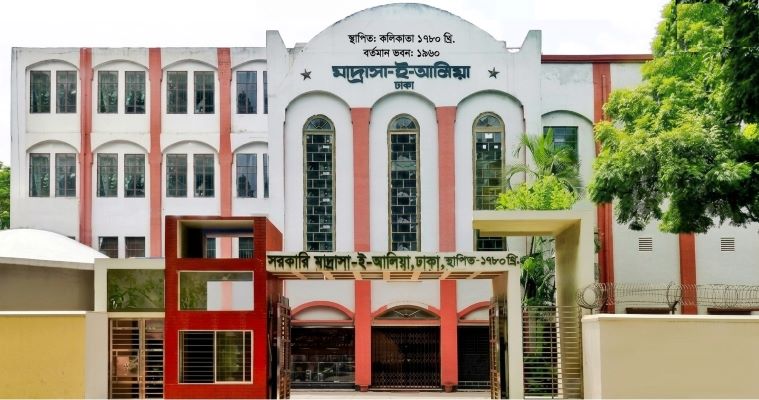
After partition in 1947, the institution was relocated to Dhaka, beginning a transformative era marked by new infrastructure, modern facilities, and expanded academic offerings. The foundation stone of its permanent Bakshibazar campus was laid in 1958, followed by full relocation in 1961 and major expansions in 1978, including science laboratories, an auditorium, and a large mosque. The madrasa's renowned library containing 25,000 to 30,000 rare manuscripts and books preserves centuries of Islamic scholarly tradition. In recent decades, affiliation with Islamic University in 2006 and later the Islamic Arabic University strengthened academic governance. Today, Govt. Madrasah-E-Alia remains a vital institution shaping future scholars and professionals, continuing its longstanding legacy of merging Islamic education with modern academic progress.
Milestones of Excellence
Celebrating our journey from humble beginnings to becoming a leading educational institution, each milestone has contributed to our vision of providing transformative education.

Establishment of Calcutta Alia Madrasa by Warren Hastings.
Foundation stone laid for Dhaka campus at Bakshibazar.
Institution officially relocated to its permanent Dhaka campus.
Stories of Excellence
Our community's achievements that inspire generations.

Our alumni have gone on to excel in diverse fields, from business and technology to arts and community service. They lead with purpose, contributing meaningfully to their industries and societies.

Our students consistently set benchmarks in academic excellence, earning top honors and awards in national and international competitions.

Through various outreach programs and initiatives, our students and faculty have made lasting contributions to the community, fostering growth and positive change.